Improve mobility
Work towards moving more easily and managing everyday activities.

Physiotherapy Clinic
Stay active · Maintain independence · Enjoy life
Expert physiotherapy to help you move better, stay independent and continue doing the things that matter to you.
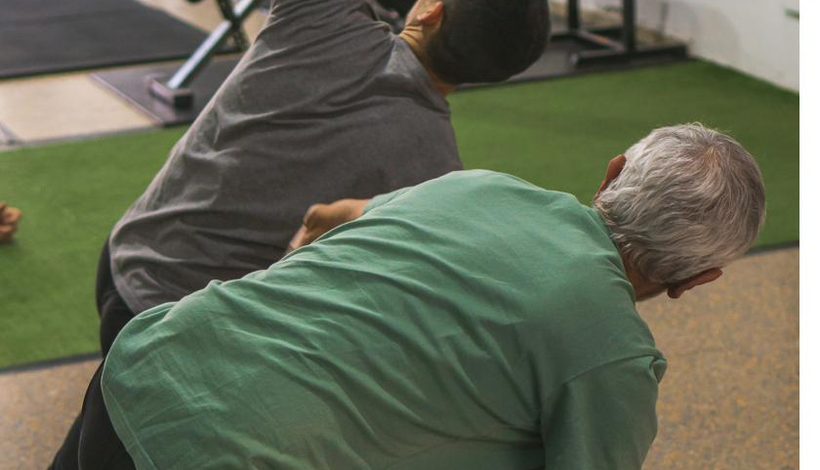
Physiotherapy and rehabilitation may help with:
As we get older, changes in strength, balance, mobility and stamina can affect everyday activities. Illness, injury and periods of inactivity can also contribute to a decline in physical abilities. Physiotherapy and rehabilitation can help slow, limit or improve these changes.
We take time to understand your health, abilities, concerns and personal goals. Your physiotherapist will assess your needs and develop an individualised programme using specialised, targeted exercises and evidence-based rehabilitation approaches.
Work towards moving more easily and managing everyday activities.
Improve strength, stamina and physical capacity at an appropriate pace.
Develop balance, coordination and confidence with movement.
Support your ability to continue activities that are important to you.
With the right support, targeted exercise and an appropriate rehabilitation plan, you can work towards staying active and enjoying the activities that matter to you.
Ageing affects everyone differently. Some people notice gradual changes, while others experience a more sudden reduction in their abilities following illness, injury, surgery or a period in hospital. Physiotherapy can help identify what may be affecting your movement and function.
Changes in muscle strength, stamina and general conditioning can make walking, stairs, getting up from a chair or household activities more difficult. A progressive exercise programme can help rebuild physical capacity.
Changes in balance, strength, coordination or confidence may affect how safely you move. Assessment can identify areas to work on and guide an individualised balance and functional exercise programme.
Arthritis and other musculoskeletal problems can affect comfort and movement. Physiotherapy may help you manage symptoms, maintain movement and improve your ability to carry out everyday tasks.
Difficulty walking, transferring or moving around the home may follow illness, injury or inactivity. Rehabilitation can focus on practical movement skills and the activities that matter to you.
A period of illness or hospital admission can affect strength, stamina, balance and independence. A tailored programme can support a gradual return to daily activities.
Where appropriate, physiotherapy can support people living with long-term conditions that affect movement, strength, balance or physical function. Your programme will reflect your health and current abilities.
Your physiotherapist will discuss your health, medical history, current abilities, daily activities and the changes you have noticed. We will also ask what you would most like to improve and what independence and activity mean to you.
Depending on your needs, the assessment may consider:
Walking, transfers, stairs and relevant joint movement.
Muscle strength, stamina and ability to perform daily tasks.
Balance, coordination, confidence and falls-related concerns.
Your priorities, home circumstances and activities you want to maintain.
Your assessment is individualised. Not every test or treatment is appropriate for everyone. Your physiotherapist will explain the process and seek your consent before examination or treatment.
The aim is to help you make meaningful progress towards your own goals. Your programme will be tailored to your presentation, health, abilities and the activities you want to continue or regain.
Exercises selected to address your needs and goals. These may focus on strength, mobility, balance, coordination, stamina and functional movement.
Practise and improve activities that are important in daily life, such as standing up from a chair, walking, using steps and moving around your home.
Where appropriate, exercises and advice can help improve balance, lower-limb strength, movement confidence and awareness of factors that may increase falls risk.
A programme may include suitable movement exercises to help maintain or improve joint mobility and make everyday movement more comfortable.
Progressive exercises can help improve physical capacity after illness, injury or inactivity. The programme will be adjusted to your response and abilities.
Guidance on pacing, activity, exercise practice and ways to build movement into daily routines. We will discuss how to continue safely between appointments.
The findings help your physiotherapist identify appropriate priorities and agree a rehabilitation plan with you. The plan may change as your health, confidence and abilities improve, or if further assessment or medical advice is needed.
We do not assume that everyone needs the same exercises or the same length of treatment. Your programme is individual and should reflect your clinical presentation and circumstances.
We aim to make physiotherapy accessible and appropriate to your circumstances and level of mobility.
Physiotherapy appointments are available in Leeds, Wakefield and Batley, subject to availability.
Where appropriate, physiotherapy may be provided in your own home or community setting. This can be helpful if travelling to a clinic is difficult or if your goals relate to moving safely around your home.
Please bring details of relevant medical conditions, medication, recent hospital discharge information, scans or reports, and any advice from your healthcare team. Wear comfortable clothing that allows you to move.
Some people may benefit from a short period of support, while others may need a longer programme. Your physiotherapist will review your progress with you and adapt the programme as appropriate.
Yes. Physiotherapy can be adapted to a person’s health, abilities and goals. Age alone does not determine what someone can achieve or which exercises are appropriate.
Physiotherapy may help you work on strength, balance, mobility and everyday activities that support independence. Your programme will be based on your individual needs.
Yes. Illness and hospital stays can affect strength, stamina, balance and mobility. An individual assessment can help identify suitable rehabilitation priorities.
No. Your programme is designed around your current abilities and will be progressed at an appropriate pace.
This varies depending on your health, goals, starting point and response to rehabilitation. Your physiotherapist will review progress and discuss the plan with you.
If you wish, a family member or carer can be involved in discussions about your goals and practical support, with your consent.
Read or save our four-page patient information leaflet for this service.
Download the Senior Adults Physiotherapy patient information leaflet (PDF)
If you would like to discuss your needs or whether this service is suitable, contact Therapy and Rehab.